Author: Stratos

  • Bridging the Gap: How Stratos Integrates Canadian Engineering Standards with Nigerian Operations.

    Bridging the Gap: How Stratos Integrates Canadian Engineering Standards with Nigerian Operations.

    In today’s globalized economy, the “local content” requirement in Nigeria is more than just a regulatory hurdle—it is an opportunity to pair indigenous talent with international benchmarks. At Stratos Engineering & Energy Ltd, we occupy a unique position. With a strong presence in both Canada and Nigeria, we act as a bridge, bringing the rigorous technical and safety standards of the Canadian engineering landscape to the heart of Nigerian industry.

    But what does this integration look like in practice, and why does it matter for your project?


    1. Safety: Adopting the CSA Standard

    Canada is home to some of the world’s strictest safety regulations, governed largely by the CSA (Canadian Standards Association). By integrating these protocols into our Nigerian operations, we go beyond basic local compliance.

    • Zero Harm Culture: We implement Canadian-style “Internal Responsibility Systems” where safety is a shared duty, not just a supervisor’s job.
    • Arc Flash & Electrical Safety: Our electrical installations follow CSA Z462 standards, ensuring that our Nigerian technicians work under the highest levels of protection against electrical hazards.

    2. Precision in Automation and CSA C22.1

    The Canadian Electrical Code (CEC) is a gold standard for industrial wiring and motor control. When we design a control panel for a factory in Lagos or Port Harcourt, we apply the same precision required for a project in Ontario.

    • Quality Components: We prioritize North American and European grade components for PLC and VFD systems, ensuring longevity and reducing the “cheap part” failure cycle.
    • Documentation: Canadian engineering is famous for its “as-built” documentation. We provide our Nigerian clients with full, detailed schematics, making future maintenance 10-times faster.

    3. Environmental Stewardship: A Shared Goal

    Canada’s expertise in environmental remediation and sustainable energy is world-leading. We bring this “Green Engineering” mindset to our Nigerian Oil & Gas and Power projects:

    • Spill Prevention: Implementing Canadian-grade containment standards for offshore and onshore assets.
    • Hybrid Energy: Leveraging Canadian advances in solar-hybrid technology to reduce diesel dependency in remote Nigerian sites.

    4. Technical Training and Knowledge Transfer

    The “Bridge” works both ways. Our Nigerian teams at Stratos Engineering & Energy Ltd bring incredible resourcefulness and deep local operational knowledge, while our Canadian insights provide the structured framework for execution.

    • Cross-Border Collaboration: Our engineers in Canada often collaborate on designs for our Nigerian projects via BIM (Building Information Modeling), ensuring a “four-eyes” check on every blueprint before ground is broken.

    The Stratos Advantage: Global Mindset, Local Presence

    Choosing Stratos means you don’t have to choose between “local understanding” and “international quality.” You get the reliability, documentation, and safety of a Canadian firm, delivered by a team that understands the specific environmental and logistical nuances of the Nigerian market.

    We aren’t just working in Nigeria; we are elevating the standard of what Nigerian engineering can be.
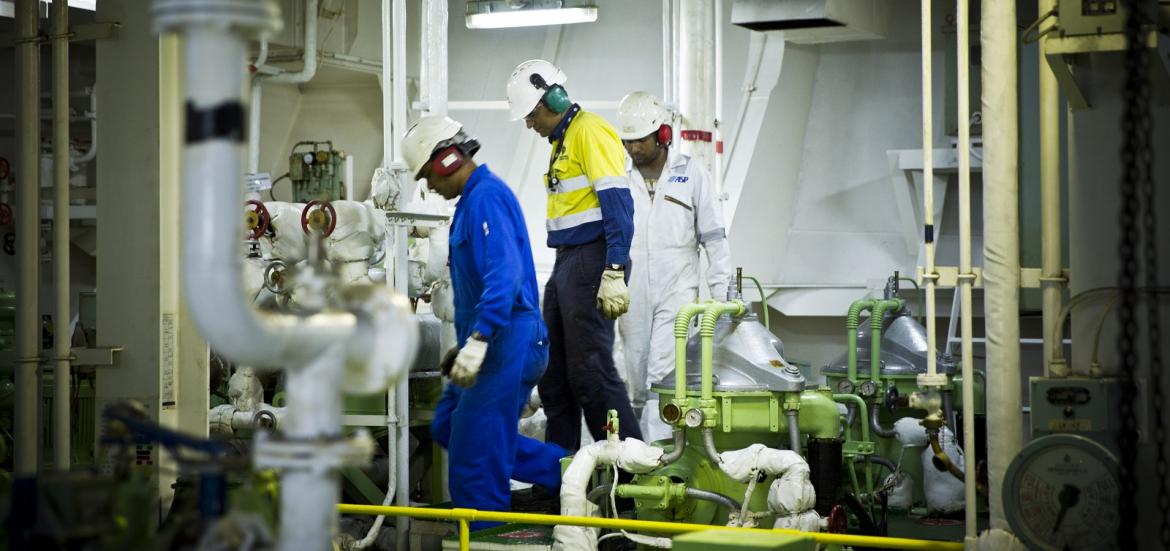
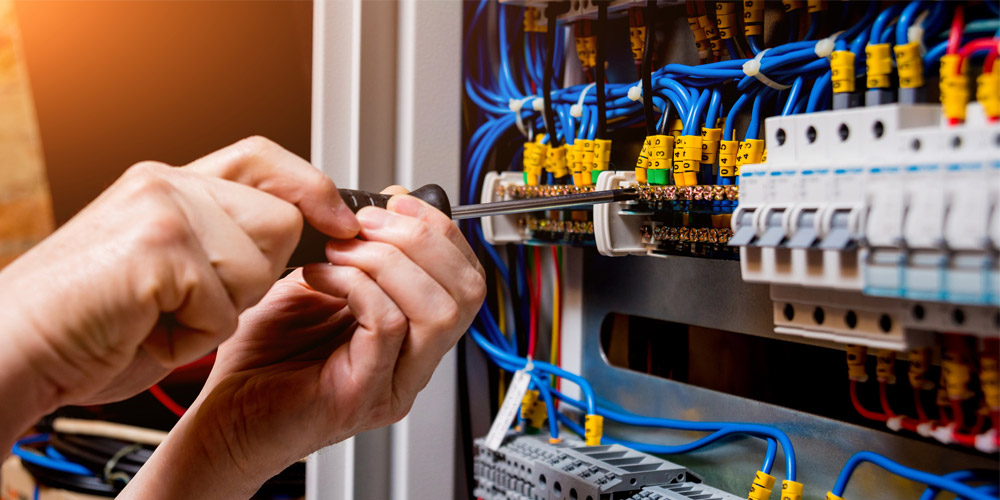
  • Preventive vs. Reactive: The Cost of Ignoring Scheduled Industrial Maintenance.

    Preventive vs. Reactive: The Cost of Ignoring Scheduled Industrial Maintenance.

    In the world of industrial operations, you can either schedule time for your maintenance, or your machinery will schedule it for you—usually at the most inconvenient moment.

    The choice between Preventive Maintenance (PM) and Reactive Maintenance (RM) is often seen as a choice between a steady expense and an occasional “fix-it” bill. However, when you look at the total lifecycle of a factory or oilfield asset, the “fix-it” approach is almost always the most expensive path a business can take.


    1. What is the Difference?

    • Reactive Maintenance (The “Run-to-Fail” Model): You only intervene when a machine stops working. It seems cheaper in the short term because there is no upfront labor cost, but it leads to emergency shipping fees for parts and idle staff.
    • Preventive Maintenance (The “Scheduled” Model): Maintenance is performed while the equipment is still running or during a planned shutdown. It involves routine tasks like lubrication, PLC battery replacements, and motor winding checks to prevent failure before it happens.

    2. The Hidden “Iceberg” of Reactive Costs

    When a critical motor or a PLC controller fails unexpectedly, the cost isn’t just the price of the spare part. It is an “iceberg” of hidden expenses:

    • Lost Production Revenue: Every hour a production line is down at a facility like the Dangote Refinery can cost thousands of dollars in lost output.
    • Overtime Labor: Emergency repairs often happen at night or on weekends, requiring premium pay for technicians.
    • Collateral Damage: When a bearing fails (Reactive), it often damages the shaft and the housing. If it had been greased (Preventive), only the grease was needed.

    3. The 1:10 Rule

    In industrial engineering, there is a common rule of thumb: A repair made after a failure costs 10 times more than a repair made before it. For example, replacing a worn-out fan belt during a scheduled 15-minute shutdown costs very little. If that belt snaps during production, it can cause the motor to overheat, leading to a full rewind—a process that takes days, not minutes.

    4. Extending Asset Life with Stratos

    Beyond immediate savings, scheduled maintenance significantly extends the Useful Life of your assets.

    • Electrical Systems: Periodic thermal imaging identifies loose connections before they cause fires.
    • Mechanical Systems: Vibration analysis on pumps allows you to replace bearings exactly when they need it, avoiding catastrophic housing failure.

    The Verdict: Move from “Firefighting” to “Optimization”

    Shifting to a preventive model changes your technical team from “firefighters” who are always stressed, to “optimizers” who ensure peak performance. It provides a predictable budget, a safer workplace, and a much healthier bottom line.

    At Stratos Engineering & Energy Ltd, we specialize in designing customized maintenance schedules for industrial and offshore clients. We help you move away from the chaos of reactive repairs and toward the reliability of precision engineering

  • Vessel Maintenance 101: Ensuring Electrical Reliability for Marine and Offshore Assets.

    Vessel Maintenance 101: Ensuring Electrical Reliability for Marine and Offshore Assets.

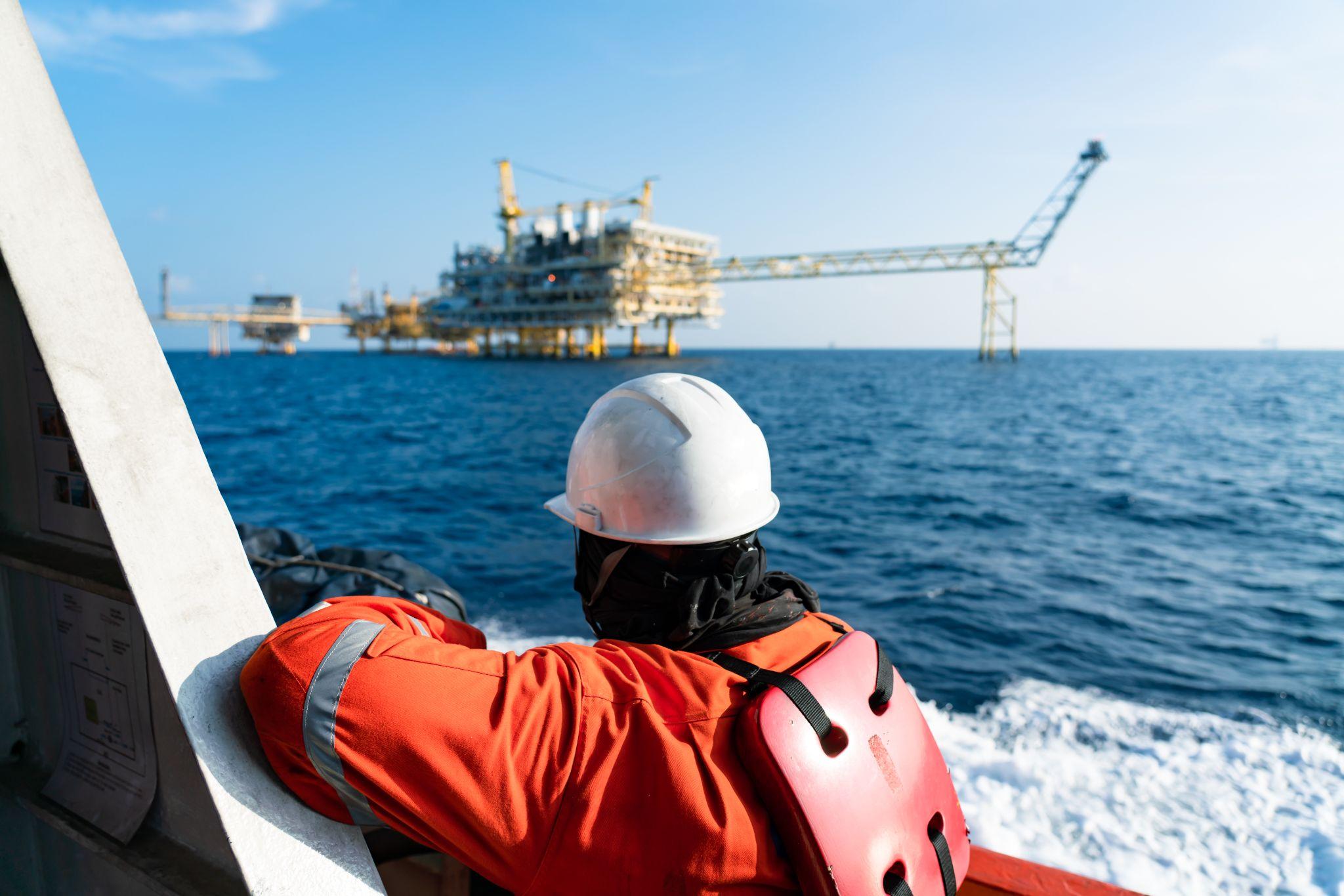
    In the offshore industry, a vessel is more than just a transport vehicle; it is a floating power plant and a sophisticated command center. When an electrical system fails mid-ocean or during a critical rig mobilization, the consequences range from expensive downtime to catastrophic safety risks.

    For ship owners and offshore managers, maintaining electrical reliability is not a luxury—it’s a survival requirement. Here is the foundational guide to managing the complex electrical systems of marine and offshore assets.


    1. The Marine Environment: A Constant Threat

    Saltwater, high humidity, and constant vibration create a “perfect storm” for electrical failure.

    • Corrosion & Electrolysis: Salt air accelerates the oxidation of copper contacts and terminals.
    • Vibration: Constant engine and wave movement can loosen connections in control panels, leading to arcing and localized fires.
    • Insulation Breakdown: Moisture ingress is the leading cause of “Ground Faults” in marine systems.

    2. Critical Power Distribution & Switchboards

    The heart of any vessel is the Main Switchboard (MSB). This system must balance loads between generators and distribute power to propulsion, navigation, and life support.

    • Regular Thermal Imaging: Using infrared cameras to scan switchboards can identify “hot spots” before a circuit breaker trips or a cable melts.
    • Generator Synchronization: Ensuring that multiple generators “share the load” correctly prevents blackouts during high-demand operations like DP (Dynamic Positioning).

    3. Motor Control & VFD Health

    From thrusters to heavy-duty winches, electric motors do the heavy lifting.

    • The VFD Advantage: Variable Frequency Drives (VFDs) allow for smooth motor starts, reducing mechanical stress. However, these drives require clean, filtered air to prevent the buildup of salt-laden dust on their internal components.
    • Rewinding & Overhauls: If a motor shows signs of insulation degradation ($Megger$ testing), proactive rewinding is significantly cheaper than an emergency mid-voyage replacement.

    4. Navigation and Emergency Systems

    Reliability extends to the bridge. Emergency batteries, UPS systems, and navigation lighting must be tested under load.

    • Battery Management: Batteries often fail because they are “float charged” for too long without a discharge cycle. Regular load testing ensures they will actually perform when the main power fails.

    The Stratos Maintenance Checklist

    To ensure your fleet remains compliant and operational, your maintenance schedule should include:

    1. Quarterly Insulation Resistance (IR) Testing: To detect moisture ingress early.
    2. Annual Harmonic Analysis: To ensure “dirty power” from electronics isn’t damaging your heavy motors.
    3. Tightening & Cleaning: A simple but vital process of cleaning salt deposits and re-torquing electrical connections.

    Conclusion: Proactive over Reactive

    The cost of a “breakdown-fix” cycle in the marine world is triple that of a planned maintenance program. By partnering with specialists who understand both the electrical engineering and the harsh reality of the maritime environment, you protect your assets and your crew.

    At Stratos Engineering & Energy Ltd, we provide comprehensive electrical services for offshore vessels, from troubleshooting complex PLC systems to full switchboard overhauls.

  • GRP vs. Steel: Why Oil & Gas Firms are Switching to Glass Fiber Reinforced Piping

    GRP vs. Steel: Why Oil & Gas Firms are Switching to Glass Fiber Reinforced Piping

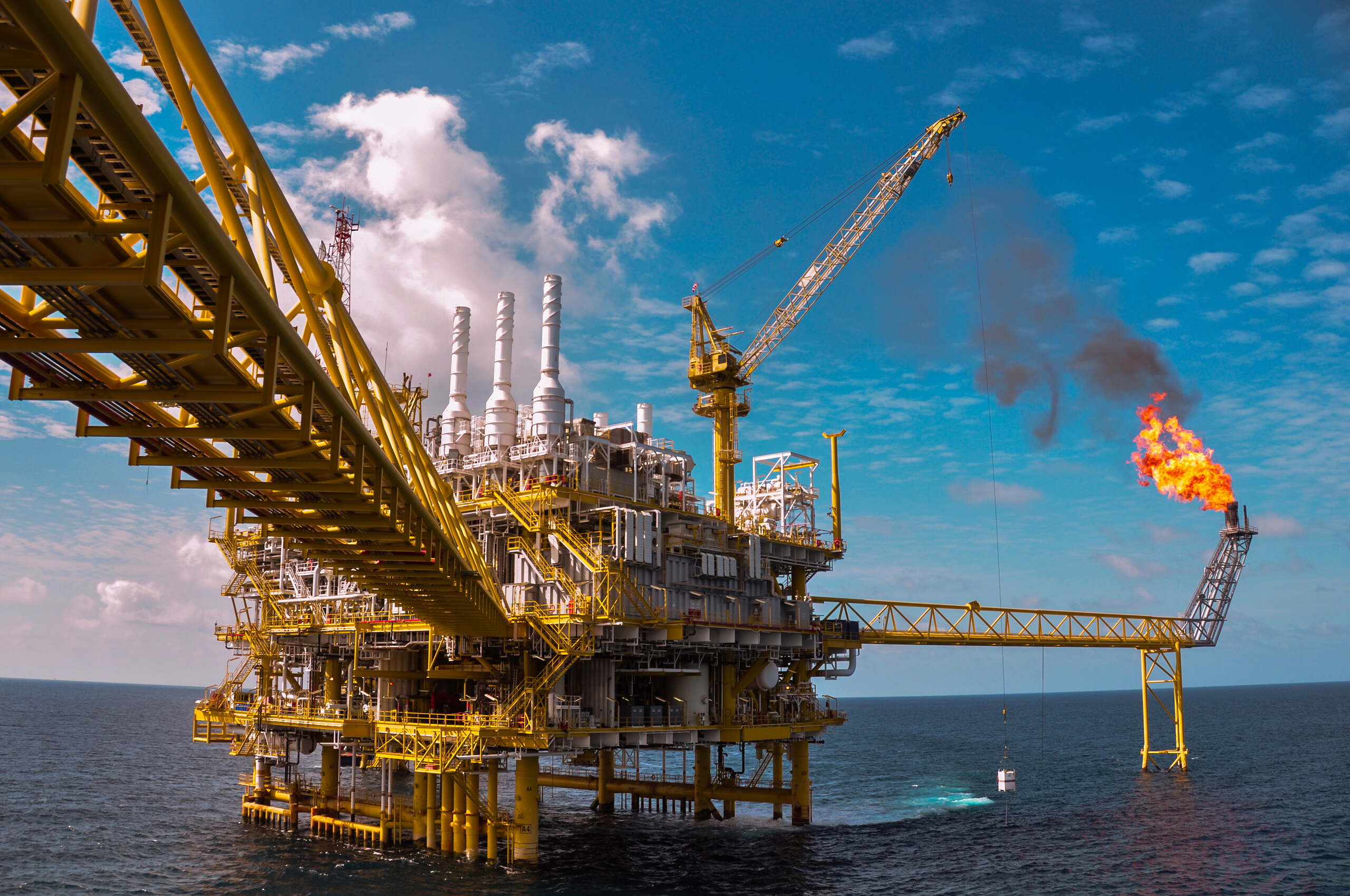
    In the harsh, corrosive environments of the Niger Delta and offshore platforms globally, the infrastructure that moves fluid is the lifeblood of the operation. For decades, carbon steel was the undisputed king of the oilfield. However, a significant shift is occurring.

    Engineers are increasingly specifying Glass Fiber Reinforced Plastic (GRP) over traditional steel. At Stratos, where we specialize in the supply and installation of these systems, we’ve seen firsthand how this transition is saving operators millions in maintenance and replacement costs.


    1. The Corrosion Factor: The Silent Profit Killer

    The biggest enemy of steel is corrosion. In marine and offshore environments, salt air and “sour” crude (containing $H_2S$ and $CO_2$) can degrade steel pipes in a matter of years, leading to leaks and environmental disasters.

    • Steel: Requires expensive internal coatings, cathodic protection, and constant chemical inhibition to slow down rust.
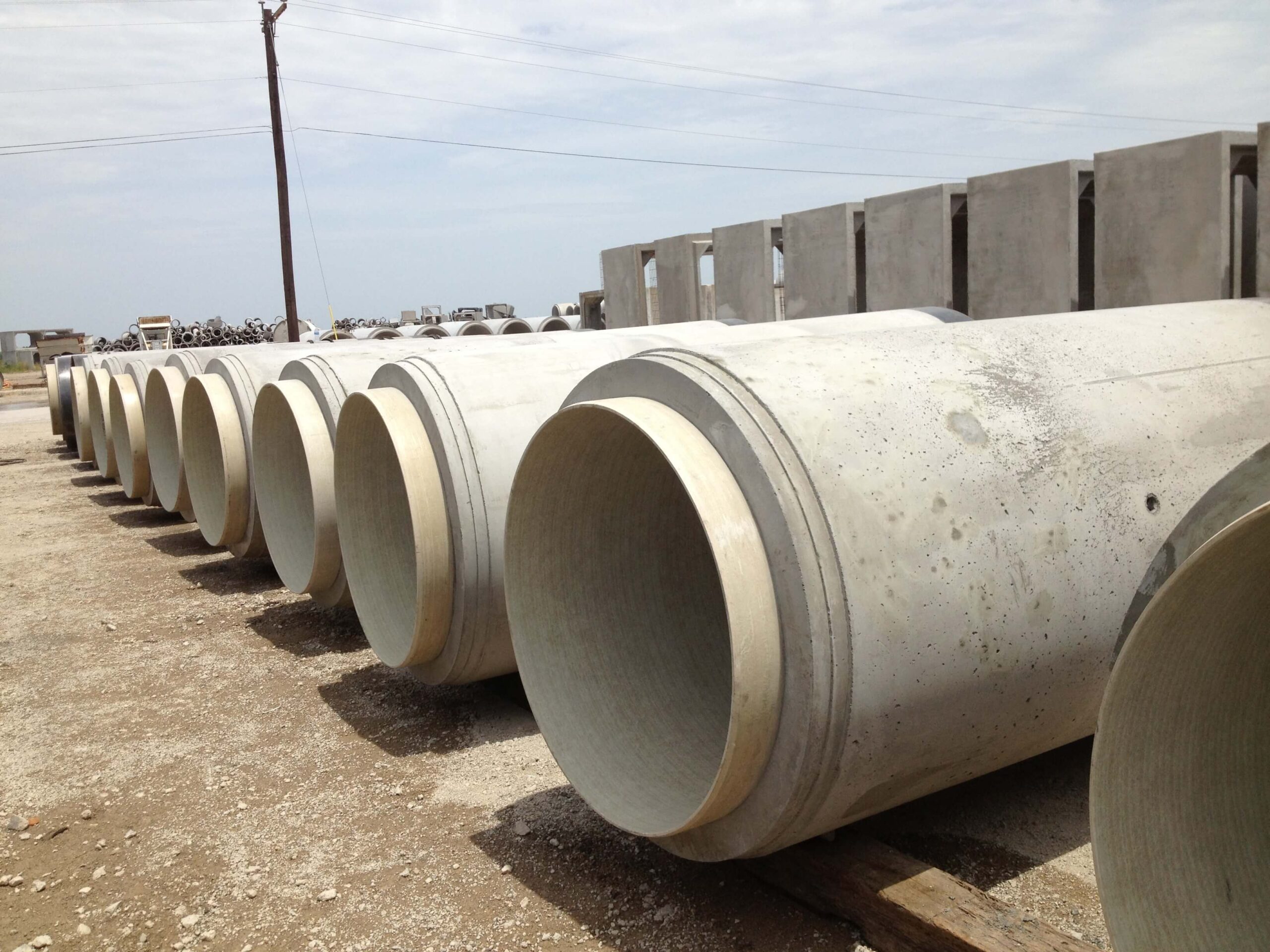
    • GRP: Is inherently non-corrosive. Because it is a composite material, it does not react with salt, water, or most industrial chemicals. This extends the service life of the piping to 50+ years with virtually zero maintenance.

    2. Weight and Installation Logistics

    Offshore platforms have strict weight limits, and remote onshore sites present logistical nightmares for heavy machinery.

    • Lightweight Advantage: GRP is approximately 1/4 the weight of steel. This means smaller crews can handle the installation, and heavy-duty cranes are often unnecessary.
    • Speed of Install: GRP pipes use specialized bell-and-spigot or adhesive joints, which can be faster to assemble than traditional high-pressure welding. This drastically reduces “Hot Work” permits on-site, enhancing safety.

    3. Hydraulic Efficiency & Flow Rates

    The interior surface of a pipe matters more than you might think.

    • Steel: Over time, steel pipes develop “scaling” or internal roughness, which increases friction and forces pumps to work harder, consuming more energy.
    • GRP: Has a glass-smooth internal bore that remains smooth over its entire lifespan. This leads to lower pressure drops and allows for the use of smaller, more energy-efficient pumps—a direct saving on your utility and fuel costs.

    4. Total Cost of Ownership (TCO)

    While the upfront material cost of GRP can sometimes be higher than raw carbon steel, the Total Cost of Ownership tells a different story:

    1. Lower Transport Costs: Due to light weight.
    2. No Painting/Coating: GRP is UV-resistant and doesn’t need external protection.
    3. Zero Cathodic Protection: No need for sacrificial anodes or electrical systems to prevent rust.

    The Stratos Verdict

    For high-pressure, high-temperature hydrocarbon lines, specialized steel still has its place. However, for produced water, seawater cooling, firewater loops, and chemical lines, GRP is the superior engineering choice.

    Switching to GRP isn’t just a technical upgrade; it’s a strategic financial decision to de-risk your infrastructure.

  • Safety as a Culture: How “Zero Harm” Policies Protect Your Personnel and Your Bottom Line

    Safety as a Culture: How “Zero Harm” Policies Protect Your Personnel and Your Bottom Line

    In the high-stakes world of industrial automation, offshore engineering, and heavy mechanical services, safety is often discussed as a set of rules. But at Stratos, we view safety differently. It isn’t a handbook; it’s a culture.

    The “Zero Harm” framework is a commitment to operating in a way that ensures no injury to people, no damage to the environment, and no loss to assets. While some see strict HSE (Health, Safety, and Environment) protocols as a hurdle to speed, the reality is that a robust safety culture is one of the greatest drivers of profitability.


    1. Beyond the Checklist: What is “Zero Harm”?

    Zero Harm is the philosophical belief that all workplace injuries are preventable. In complex environments—like the Dangote refinery or offshore platforms in the Niger Delta—this mindset shifts the responsibility from a single “Safety Officer” to every individual on-site.

    When a technician identifies a faulty VFD or a worn-out GRP pipe before it fails, they aren’t just following a rule; they are actively protecting the project’s continuity.

    2. The Hidden Costs of “Minor” Accidents

    Many operators only look at the direct costs of an accident (medical bills or repairs). However, the indirect costs are often 4x to 10x higher:

    • Operational Downtime: A single electrical failure or injury can shut down a production line for days.
    • Legal & Regulatory Fines: Non-compliance with Nigerian or Canadian safety standards can lead to heavy penalties.
    • Insurance Premiums: A poor safety record leads to skyrocketing insurance costs.
    • Reputational Damage: In the bidding process for major contracts, a high LTI (Lost Time Injury) record is an immediate disqualifier.

    3. Safety as an Efficiency Engine

    A site that is organized for safety is, by default, organized for productivity.

    • Standard Operating Procedures (SOPs): When every team member knows the exact sequence for commissioning a power plant, errors decrease and speed increases.
    • Predictive Maintenance: A safety-first approach prioritizes the health of the machinery. By monitoring heat signatures in electrical panels or vibration in motors, we prevent “explosive” failures that cause massive financial leaks.

    4. Building the Culture: The Stratos Approach

    For a Zero Harm policy to work, it must be supported by three pillars:

    1. Stop-Work Authority: Every Stratos employee, regardless of rank, has the power to halt a job if they perceive an unsafe condition.
    2. Continuous Training: Regular drills on offshore survival, electrical safety, and chemical handling.
    3. Visible Leadership: Safety starts in the boardroom and ends at the tool-box talk on the factory floor.

    The Conclusion: Safety is a Sound Investment

    Choosing a partner with a Zero Harm culture isn’t just about ethics—it’s about risk management. By prioritizing the well-being of personnel, companies ensure that their projects stay on schedule, their equipment lasts longer, and their bottom line remains protected.

    At Stratos Engineering & Energy Ltd, our record is our bond. We bring the same level of safety rigor to our Canadian operations as we do to our most remote Nigerian sites.

  • Navigating CAMA 2020: What you Need to Know for Compliance

    Navigating CAMA 2020: What you Need to Know for Compliance

    For years, the Nigerian business landscape operated under a framework designed in 1990. However, with the enactment of the Companies and Allied Matters Act (CAMA) 2020, the rules of the game have fundamentally changed. For indigenous engineering firms and energy providers, these reforms aren’t just legal “fine print”—they are tools for scaling and reducing operational costs.

    If you are a project manager or business owner, understanding these compliance shifts is critical to maintaining your status as a “ready-to-work” contractor for major players like NNPC, Shell, or Dangote.


    1. The “Small Company” Advantage

    One of the most significant shifts in CAMA 2020 is the formal definition and relief provided to Small Companies.

    You qualify as a small company if:

    • Your annual turnover is ₦120 million or less.
    • Your net assets value is ₦60 million or less.
    • You have no foreign shareholders.
    • The directors hold at least 51% of the shares.

    The Benefits: Small companies are now exempt from mandatory statutory audits and the requirement to appoint a company secretary. This reduces the annual administrative burden significantly for emerging indigenous firms.

    2. Single-Member Transparency

    Gone are the days when you needed to “beg” a family member to be a co-director just to register a company. CAMA 2020 permits single-shareholder private companies. This allows entrepreneurs to maintain 100% control while benefiting from limited liability protection.

    3. PSC: The New Transparency Standard

    If you have “Persons with Significant Control” (PSC), compliance is no longer optional. A PSC is anyone holding 5% or more of voting rights or shares.

    • The Rule: You must notify the Corporate Affairs Commission (CAC) within one month of identifying a PSC.
    • The Risk: Failure to disclose PSCs can lead to your company being tagged as “Inactive” on the CAC portal, which can disqualify you from bidding on government or private sector tenders.

    4. Modernizing Operations: Virtual Meetings & E-Signatures

    CAMA 2020 finally brought Nigerian law into the 21st century by recognizing:

    • Electronic Signatures: Valid for documents and deeds.
    • Virtual AGMs: Private companies can now hold their Annual General Meetings electronically, provided it’s in their Articles of Association.
    • Abolition of Common Seals: A company seal is no longer mandatory for executing documents. A simple signature by a director and secretary (or two directors) is now legally sufficient.

    Summary Table: Old CAMA vs. CAMA 2020


    The Bottom Line for Indigenous Firms

    Compliance under CAMA 2020 is about more than just avoiding fines; it’s about institutional readiness. In the engineering and energy sectors, your CAC status is often the first thing a procurement officer checks during due diligence.

    By taking advantage of the “Small Company” exemptions and ensuring your PSC filings are up to date, you position your firm as a transparent, modern, and compliant partner.