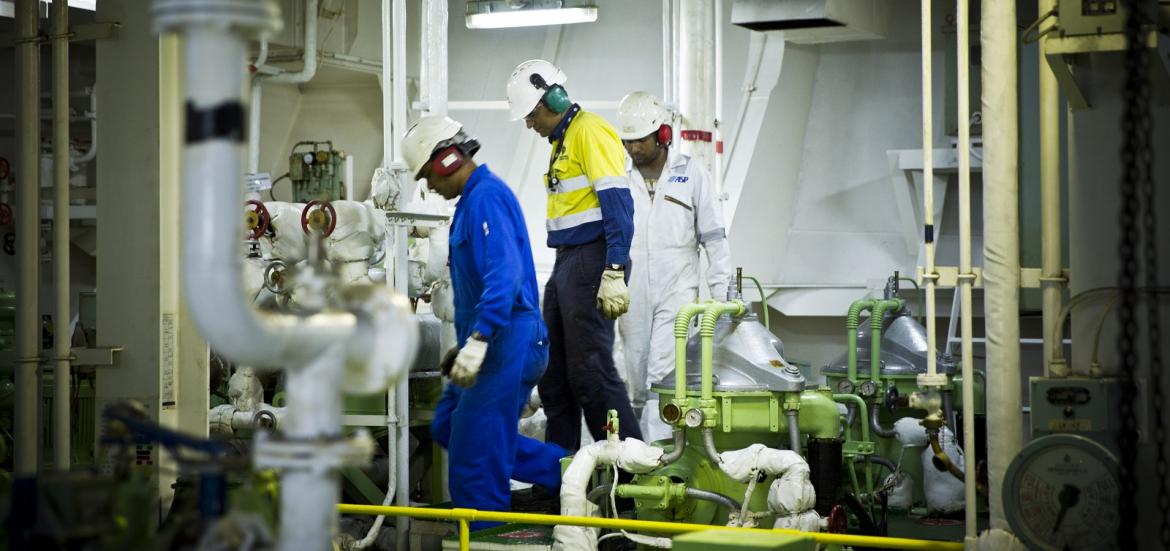
In the offshore industry, a vessel is more than just a transport vehicle; it is a floating power plant and a sophisticated command center. When an electrical system fails mid-ocean or during a critical rig mobilization, the consequences range from expensive downtime to catastrophic safety risks.
For ship owners and offshore managers, maintaining electrical reliability is not a luxury—it’s a survival requirement. Here is the foundational guide to managing the complex electrical systems of marine and offshore assets.
1. The Marine Environment: A Constant Threat
Saltwater, high humidity, and constant vibration create a “perfect storm” for electrical failure.
- Corrosion & Electrolysis: Salt air accelerates the oxidation of copper contacts and terminals.
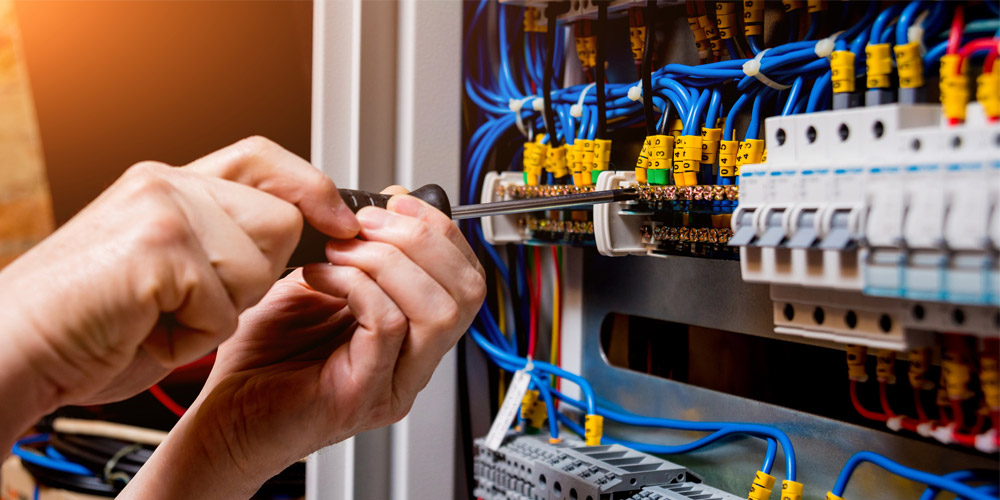
- Vibration: Constant engine and wave movement can loosen connections in control panels, leading to arcing and localized fires.
- Insulation Breakdown: Moisture ingress is the leading cause of “Ground Faults” in marine systems.
2. Critical Power Distribution & Switchboards
The heart of any vessel is the Main Switchboard (MSB). This system must balance loads between generators and distribute power to propulsion, navigation, and life support.
- Regular Thermal Imaging: Using infrared cameras to scan switchboards can identify “hot spots” before a circuit breaker trips or a cable melts.
- Generator Synchronization: Ensuring that multiple generators “share the load” correctly prevents blackouts during high-demand operations like DP (Dynamic Positioning).
3. Motor Control & VFD Health
From thrusters to heavy-duty winches, electric motors do the heavy lifting.
- The VFD Advantage: Variable Frequency Drives (VFDs) allow for smooth motor starts, reducing mechanical stress. However, these drives require clean, filtered air to prevent the buildup of salt-laden dust on their internal components.
- Rewinding & Overhauls: If a motor shows signs of insulation degradation ($Megger$ testing), proactive rewinding is significantly cheaper than an emergency mid-voyage replacement.
4. Navigation and Emergency Systems
Reliability extends to the bridge. Emergency batteries, UPS systems, and navigation lighting must be tested under load.
- Battery Management: Batteries often fail because they are “float charged” for too long without a discharge cycle. Regular load testing ensures they will actually perform when the main power fails.
The Stratos Maintenance Checklist
To ensure your fleet remains compliant and operational, your maintenance schedule should include:
- Quarterly Insulation Resistance (IR) Testing: To detect moisture ingress early.
- Annual Harmonic Analysis: To ensure “dirty power” from electronics isn’t damaging your heavy motors.
- Tightening & Cleaning: A simple but vital process of cleaning salt deposits and re-torquing electrical connections.
Conclusion: Proactive over Reactive
The cost of a “breakdown-fix” cycle in the marine world is triple that of a planned maintenance program. By partnering with specialists who understand both the electrical engineering and the harsh reality of the maritime environment, you protect your assets and your crew.
At Stratos Engineering & Energy Ltd, we provide comprehensive electrical services for offshore vessels, from troubleshooting complex PLC systems to full switchboard overhauls.